Patio installation in Crouch End for homes and businesses
If you are planning patio installation in Crouch End, you are likely looking for a space that feels practical, attractive, and ready to use through much of the year. A well-built patio can transform a garden, courtyard, or commercial outdoor area into somewhere people genuinely want to spend time. For local property owners, the right design also needs to suit the character of the area, the shape of the plot, and the everyday realities of access, drainage, and maintenance.
Crouch End has a distinctive mix of Victorian and Edwardian homes, terraced properties, converted flats, small front gardens, and larger rear gardens tucked behind older layouts. That variety matters. A patio that works beautifully in one home may not suit another, especially where steps, narrow side access, shared boundaries, or sloping ground are involved. A local team understands these issues and can help shape a surface that fits your home rather than fighting against it.
Whether you want a family-friendly space for summer dining, a neat seating area outside a rental property, or a durable courtyard for a café, nursery, or workspace, a professionally installed patio adds usable space and long-term value. Contact us today to discuss your ideas and request a free quote tailored to your project.
Why patios are so popular in Crouch End

Outdoor living is highly valued across the area, and many property owners want to make better use of the garden they already have. In Crouch End, outside space is often limited, awkwardly shaped, or split into levels, which makes thoughtful design especially important. A patio can create a level, stable surface for tables, planters, seating, play areas, or simply a low-maintenance place to relax.
For homes with rear gardens, a paved area near the house can become a natural extension of the kitchen or living room. For smaller plots and courtyard spaces, a compact patio can make the area feel cleaner and more organised. For landlords and managing agents, a hardwearing paved finish is often easier to maintain than a lawn, especially where long-term upkeep needs to stay simple.
Crouch End also sees a mix of residential and commercial use. Restaurants, cafés, clinics, studios, offices, and community spaces may all benefit from an outdoor area that looks smart and stays practical in daily use. The right patio design can support customer seating, staff break areas, entrance spaces, or service yards, depending on the building and how it is used.
What patio installation usually includes

A proper patio installation is more than laying slabs or blocks on top of the ground. It starts with preparing the base, which is crucial for stability and longevity. Ground conditions in and around Crouch End can vary from one property to the next, so the process should always begin with a clear look at levels, soil type, drainage, and access.
Most projects include removing old paving, turf, concrete, or damaged surfaces before excavation begins. After that, the sub-base is installed and compacted to provide a strong foundation. Edging may be added to help keep the surface neat and defined, while drainage details are planned to reduce puddling and surface movement. The top layer is then laid carefully, joined, finished, and cleaned down.
Depending on the design, the service may also include steps, retaining edges, sleeper borders, decorative features, or integration with paths and planting beds. If the patio connects to an existing driveway, side access, or rear terrace, the whole layout can be designed to feel unified. Request a free quote if you want a patio that is planned and built as a complete outdoor space rather than as a stand-alone surface.
Popular patio materials for local properties

Choosing the right material is a big part of getting the final result you want. Different products create very different looks, maintenance demands, and performance levels. In Crouch End, many homeowners want a finish that complements traditional brickwork and period architecture, while others prefer a cleaner contemporary style for modern extensions or refurbished homes.
Common patio material options include:
- Natural stone for a timeless, high-end appearance with subtle variation.
- Porcelain paving for a sleek look, crisp lines, and a low-maintenance surface.
- Concrete paving slabs for a practical and cost-conscious solution in many settings.
- Indian sandstone for a warm, characterful finish that suits traditional gardens.
- Brick or block paving for defined borders, paths, or smaller courtyard areas.
The best choice depends on how you plan to use the space, how much upkeep you want, and the style of the property. A shaded garden, for example, may benefit from a surface that stays easy to clean and less likely to feel slippery. A family garden may need a robust finish that handles frequent use, garden furniture, and children’s play. A local installer can explain how each option performs in real conditions, not just how it looks on display.
Designing a patio that suits Crouch End homes
One of the main advantages of working with a local team is the ability to design around the realities of the site. Many Crouch End properties have stepped access, narrow side passages, rear extensions, shared boundaries, or garden levels that change from the house to the back fence. These details affect not just installation time but also the final layout and maintenance requirements.
Good design starts with how the patio will be used. Will it hold a dining set, a barbecue, a bench, children’s toys, planters, or bikes? Do you want sun in the morning, afternoon, or evening? Would a raised seating area help make the most of a sloping plot? Would you prefer a simple rectangular arrangement or something more organic that flows around planting beds? These decisions shape the result far more than a catalogue image ever could.
For period homes, many customers prefer a finish that feels sympathetic to the original property. That may mean using traditional paving tones, softer curves, or edging details that match the character of the house. For newer properties and contemporary extensions, large-format slabs, tight joints, and sharper lines can create a refined finish. The best patio installation in Crouch End is one that looks like it belongs there.
Matching the patio to the way you live
Every household uses outdoor space differently. Some want a quiet corner for morning coffee. Others want a social space for family gatherings. Some need a hardstanding area that can cope with muddy boots, bikes, and garden equipment. Others need something elegant enough to support customer-facing use at a commercial premises.
For that reason, a patio should be chosen with everyday use in mind. Slip resistance, cleaning ease, colour retention, jointing style, and edge details all matter. If a space will be used heavily, a practical surface may be better than a purely decorative one. If the patio is near mature planting, it may need a layout that keeps maintenance simple while still looking welcoming throughout the seasons.
When planned carefully, patio paving becomes an investment in comfort, convenience, and enjoyment. It is not just about improving appearance; it is about creating a space you can actually use.
Why a local patio company is helpful

Choosing a local company for patio installation in Crouch End can make the process smoother from the first visit to the final clean-up. Local teams are more familiar with the style of housing, the likely access limitations, and the practical issues that often come with older streets and closely built properties. That experience helps avoid surprises and supports better planning.
Access is often one of the biggest challenges in the area. Some gardens can only be reached through narrow side passages or internal routes. Materials may need to be moved carefully to protect walls, fences, and existing finishes. A local team will usually know how to plan deliveries, waste removal, and site protection in a way that reduces disruption to you and your neighbours.
Local knowledge also helps with practical matters like drainage and levels. Parts of North London can present drainage concerns where ground falls are slight, borders are uneven, or existing surfaces have failed. A thoughtful installation takes account of water flow so the patio remains usable and stable after wet weather. Book your service now if you want an installation approach that is shaped by local experience as well as workmanship.
What to expect during the installation process
Customers often want to know how the job will unfold once they decide to go ahead. While each project is different, a typical patio installation follows a clear sequence. First comes the initial discussion, where the space, style, and intended use are reviewed. If the patio is part of a larger garden renovation, the team may also look at planting, paths, retaining walls, or steps.
After that, the site is prepared. This usually means removing old materials, excavating to the required depth, and making sure the sub-base is properly compacted. Levels are checked carefully, because even small errors can affect water run-off and the finished appearance. Once the foundation is set, paving is laid in the chosen pattern and any edging or decorative details are added. The final stage includes jointing, surface cleaning, and a thorough check of the finish.
In homes with restricted access, the team may need to plan the work in stages so materials can be handled efficiently. In commercial settings, the schedule may need to be arranged around opening hours or customer traffic. A professional approach keeps disruption manageable and helps the project stay on track.
Signs that your existing patio may need replacing
Many people start thinking about a new patio because their current one has become difficult to use. Cracked slabs, loose edges, sinking spots, and persistent puddles are all common signs that a surface has reached the end of its useful life. Moss buildup, poor drainage, and movement in the base can also make an old patio look tired and feel unsafe.
You may also decide to replace a patio simply because your needs have changed. A garden that once suited children’s play may now need a more mature entertaining space. A rental property may need a more robust, simpler layout. A business may want to improve first impressions with a smarter outdoor frontage or seating area. In each case, new paving can be a practical upgrade rather than just a cosmetic one.
If you are unsure whether to repair or replace, a local assessment can help you make the right decision. Sometimes a small section can be relaid. In other cases, starting again provides a stronger and more attractive result in the long term.
How to prepare for your patio project
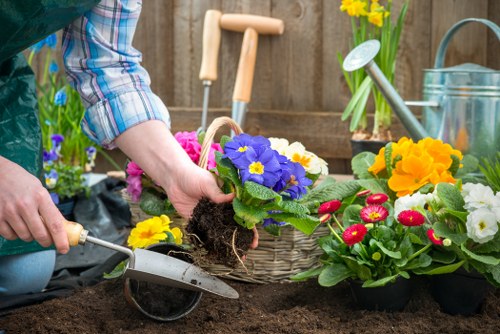
A little preparation helps the work move more smoothly and can reduce delays. Before installation begins, it is useful to clear the immediate area of garden furniture, pots, children’s toys, and fragile items. If there is existing paving or decking that needs to be removed, the team may advise how to make the area accessible in advance. For properties with limited access, it may also help to think about where materials will be brought in and where waste can be taken out safely.
Some customers like to have a rough idea of the features they want before the quote stage. That might include steps, lighting, a border pattern, raised beds, or a connection to a shed or rear gate. Others prefer to discuss the possibilities and narrow them down with professional input. Either approach can work well, as long as the intended use of the patio is clear from the beginning.
Preparation checklist:
- Clear furniture, planters, and loose items from the work area.
- Decide how you want to use the space day to day.
- Consider access routes for materials and waste.
- Note any drainage issues, damp spots, or uneven ground.
- Think about finishes that match the property style.
- Identify any steps, borders, or connecting paths you may want included.
Pricing factors for patio installation
It is sensible to ask what affects the cost of a patio project before making a decision. While exact prices depend on the details of the site, several factors usually influence the final quote. The size of the area is one obvious point, but the condition of the existing ground, the amount of excavation required, and the materials chosen can all make a significant difference.
Access can also affect the scope of the work. If materials need to be carried through a house, down side access, or around restricted boundaries, the labour involved may be greater than on a more open site. Drainage work, retaining walls, step construction, and decorative edging can add to the complexity too. A simple rectangular patio on level ground will generally be more straightforward than a multi-level layout with custom features.
Material choice matters as well. Some products are more expensive than others, and some require more careful laying or finishing. However, a lower upfront cost is not always the best long-term value if the surface is less durable or harder to maintain. A well-made patio should be judged on how it performs over time, not just how it looks on the day it is completed.
What affects the quote most?
If you are comparing options, these are the main things that usually shape the estimate:
- The total area to be paved.
- Ground preparation and excavation needs.
- Choice of paving material and edging.
- Drainage requirements and existing levels.
- Access for labour, materials, and waste removal.
- Any additional features such as steps, borders, or retaining elements.
The clearest quotes are usually based on a proper look at the site. That way, you can make informed choices and avoid awkward surprises later. Request a free quote if you want the scope explained clearly before you commit to anything.
Benefits of a professionally installed patio
A professionally completed patio offers more than a neat appearance. It creates a durable surface that is less likely to shift, sink, or hold water when built correctly. That matters in a local area where older gardens and variable ground conditions can make do-it-yourself paving more difficult than it first appears.
There are also lifestyle benefits. A patio extends the usable part of a property and can make outdoor areas more welcoming in spring, summer, and even mild autumn days. It can improve access from the house to the garden, provide a cleaner place for outdoor dining, and reduce the amount of maintenance needed compared with grass or loose ground.
For commercial customers, the advantages are equally practical. A smart paved area can improve the presentation of a business, provide a usable customer space, and create a more structured setting for staff and visitors. In many cases, the right patio or paved courtyard can help a property feel more organised and easier to manage every day.
Areas covered around Crouch End
Local patio services are often needed across the surrounding neighbourhoods as well as Crouch End itself. Nearby areas commonly include Hornsey, Highgate, Muswell Hill, Finsbury Park, Stroud Green, Archway, and Harringay. Depending on the project, work may also be carried out for homes and premises further across North London.
That wider coverage is useful because many properties in the surrounding districts share similar challenges: narrow access, older gardens, mixed ground conditions, and the need to balance character with practicality. A local installer who regularly works in the area will recognise these patterns and can adapt the approach accordingly.
If your property sits on a busy street, in a terrace, or in a shared residential block, it may be especially valuable to work with a team used to planning around neighbours, access routes, and storage limitations. A patio project should feel organised from start to finish.
Frequently asked questions
How long does patio installation take?
The time required depends on the size of the patio, the condition of the existing ground, and the design details involved. A straightforward project may be completed more quickly than a larger, more intricate layout. Access and weather can also influence timing.
Do I need planning permission for a new patio?
Many patio projects do not require planning permission, but it can depend on the overall layout, drainage considerations, and whether the work forms part of a larger change to the property. If you are unsure, it is worth raising the question at the quotation stage so the correct approach can be considered.
Can a patio be installed on a sloped garden?
Yes. Sloping gardens are common in parts of North London, and they often need careful level planning or retaining features. A professional installation can create a usable and attractive surface even where the ground is uneven.
What is the best material for a low-maintenance patio?
Many customers choose porcelain or similar low-porosity products because they are easier to clean and tend to stay looking smart with less effort. That said, the best option depends on the style of the property and the way the patio will be used.
Can you replace old paving with a new design?
Yes. Old slabs, broken concrete, unstable paving, and tired layouts can often be removed and replaced with a more suitable design. This is a common request for homes where the outdoor area no longer matches the rest of the property.
Do you work on small patios as well as larger spaces?
Absolutely. Compact courtyards, side returns, and small rear gardens can benefit greatly from good paving. In many Crouch End homes, a smaller patio needs just as much care in planning as a larger one.
Choosing the right service for your property
When comparing patio installation options, it helps to look beyond the surface finish. Ask how the base will be prepared, how drainage will be handled, and how the finished level will connect to doors, paths, or existing garden features. Those details often decide whether the patio will stay attractive and practical over the years.
It is also worth checking that the team understands your property type. A Victorian terrace with restricted rear access may need a different approach from a modern extension or a commercial courtyard. The same applies to rental properties, where durability and ease of maintenance may matter more than decorative detail.
Good service should feel straightforward, transparent, and attentive to your needs. If you want a project that is built around your home, your schedule, and your outdoor goals, a local specialist is often the best place to start.
Useful reasons to choose a local team
There are several practical advantages to staying local. You get a team that understands the area, can assess access more accurately, and is better placed to plan around the realities of urban gardens. You also benefit from a service that is more likely to recognise the typical issues found in nearby streets and housing styles.
What local customers usually value most
Most customers want clear communication, a tidy site, reliable scheduling, and a patio that performs as well as it looks. They also want sensible advice about materials, maintenance, and design choices that suit their property. A professional service should make those decisions easier, not harder.
Whether you are upgrading a family garden, refreshing a courtyard, or improving a commercial outdoor area, the right paving solution can make a noticeable difference. If you are ready to explore your options for patio installation in Crouch End, contact us today to discuss your project and request a free quote.
Book your service now and take the first step toward a patio that is built for everyday use, designed for your property, and finished with care.