Garden landscaping in Crouch End
Creating a garden that feels right for your home, your routine, and the character of your street takes more than a few planted borders and a tidy lawn. Garden landscaping in Crouch End is about shaping outdoor spaces so they work beautifully in daily life, whether you have a compact rear garden off a busy residential road, a family space that needs zones for play and relaxation, or a larger plot that needs a full redesign. In an area like Crouch End, where period homes, terraces, maisonettes, converted buildings, and modern extensions sit close together, well-planned landscaping can make a real difference to comfort, privacy, and long-term property value.
Local homeowners often want a garden that looks attractive all year, is manageable without constant effort, and suits the way they actually use the space. Businesses and communal property owners may need external areas that are smart, practical, and easy to maintain while still feeling welcoming. A thoughtful landscaping service can bring all of this together through layout planning, hard landscaping, planting design, surface upgrades, and finishing details that make the whole garden feel complete.
Because every site in Crouch End is different, the most successful projects start with the space itself: its size, shape, light levels, slope, drainage, boundaries, and access. From there, the design can be tailored to your needs, whether you want a quiet retreat, a child-friendly garden, a low-maintenance outdoor area, or a practical communal space. If you are planning a refresh or a full transformation, contact us today to discuss your ideas and request a free quote.
Why garden landscaping matters in Crouch End

Crouch End has a mix of attractive residential streets, older housing stock, and tightly arranged plots, which means outdoor areas are often shaped by the original building layout rather than by modern garden design. Many gardens in the area are long and narrow, split-level, shaded by neighbouring trees or buildings, or bounded by walls and fencing that need careful treatment. Good landscaping can turn these limitations into advantages by making the most of proportion, movement, texture, and planting structure.
In practical terms, landscaping helps you get more from the space you already have. A well-planned garden can create better flow from house to outside area, improve usability in wet weather, reduce maintenance, and solve common issues such as muddy patches, poor drainage, or awkward corners. For local properties, it also matters that the finished result feels in keeping with the character of the street and the architecture of the home. A neat, considered design tends to sit more naturally beside brick terraces, Victorian semis, Edwardian houses, and modern infill properties.
For many customers, the real value is in balancing beauty with day-to-day function. That may mean replacing an overgrown layout with clear paths and defined seating areas, introducing raised beds for easier planting, or using durable materials that suit regular use. In a neighbourhood where outdoor space is often at a premium, every square metre counts. That is why many people choose a local team that understands the area, the common property types, and the practical realities of working in busy streets with limited parking and access.
Our garden landscaping services
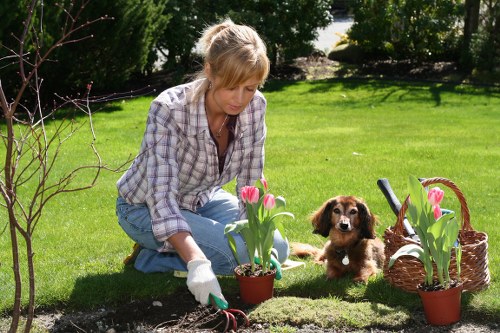
Garden landscaping can cover a wide range of work, from a simple refresh to a complete redesign. The right mix of services depends on your goals, the condition of the garden, and how you want to use the space. A good local service should be able to combine design thinking with skilled installation, so the end result is not only attractive but also durable and suitable for the site.
Typical landscaping work in Crouch End may include hard landscaping such as paving, patios, steps, edging, retaining walls, and paths; soft landscaping such as planting schemes, turfing, soil improvement, and mulch; and practical upgrades such as garden levelling, sleeper features, trellis installation, and boundary improvements. Many clients also want help with lighting, irrigation, drainage adjustments, and the integration of storage or screening elements.
Whether you are updating a small courtyard, improving a family back garden, or reworking a shared outdoor area for a commercial property, the aim is the same: to create a usable, attractive space that suits the property and the people using it. Book your service now if you are ready to turn a patchy or underused garden into something more enjoyable and easier to manage.
Common landscaping requests
- Patios and seating areas for entertaining or relaxing
- Garden paths that improve movement and reduce mess
- New lawns or lawn replacement for tired, uneven grass
- Raised beds for flowers, vegetables, or structured planting
- Boundary screening for privacy from neighbouring properties
- Low-maintenance planting schemes for busy households
- Drainage improvements for waterlogged areas
- Timber, stone, or brick features that add definition and style
Designed around local homes and businesses
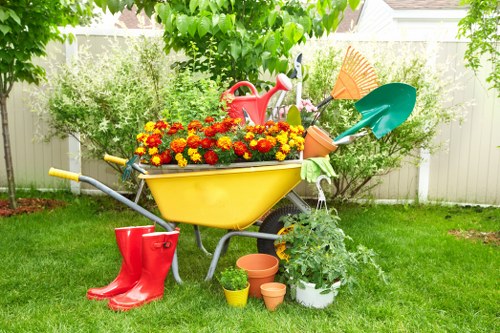
One of the biggest advantages of choosing a team experienced in garden landscaping in Crouch End is understanding the variety of properties and usage needs found locally. A family home near the heart of the area may need a child-friendly garden with safe, open surfaces and durable materials. A period property may call for a design that respects original features and creates a more natural, established feel. A commercial courtyard, entrance, or communal area may need something smart, low fuss, and easy to maintain through the seasons.
Access can be a major factor too. Many Crouch End gardens are reached via side passages, shared entry points, narrow front paths, or rear access with limited space for materials and equipment. Local knowledge helps make the work smoother because planning can take account of pedestrian access, parking restrictions, neighbours, delivery timings, and the need to protect internal routes through the property. That means fewer delays and a tidier process from start to finish.
Residential customers often want a garden that feels like a natural extension of the home, while commercial customers may prioritise durability, neat presentation, and simple upkeep. In both cases, the best results come from a clear plan, the right materials, and careful installation. If you want a space that looks good in everyday use rather than only in photographs, local landscaping expertise makes a real difference.
Benefits for homeowners
Homeowners usually want comfort, visual appeal, and easier maintenance. Landscaping can improve the way the garden connects with living areas, add structure to awkward plots, and create zones for dining, relaxing, or planting. It can also help increase privacy in built-up streets and make the space feel more secure and enclosed without becoming gloomy.
Benefits for commercial and communal sites
For businesses, landlords, and managing agents, outdoor areas must look presentable while remaining practical. That often means robust paving, tidy edges, well-chosen planting, and surfaces that are straightforward to care for. A professional landscaping approach can make entrances, courtyards, and shared gardens feel more welcoming and better organised.
What a landscaping project usually includes

Every garden is different, but most landscaping projects follow a similar path. The first stage is to understand how you want to use the space. Do you need a sociable garden for entertaining, a child-safe play area, room for planting and growing, or a calm retreat with easy maintenance? Once the purpose is clear, the layout can be shaped around it. This is where proportion, circulation, light, and surfaces all matter.
A well-managed project usually includes preparation, removal of unwanted materials, ground works if needed, and the installation of the chosen features. Good workmanship is important, but so is timing and sequence. For example, drainage or levelling may need to be completed before patios or turfing can begin. Planting should be introduced at the right stage so that the finished garden settles in properly and the layout feels balanced.
Many customers appreciate knowing exactly what is involved before work starts. A clear scope helps avoid uncertainty and ensures that the finished space matches expectations. Request a free quote if you want a straightforward discussion about what your garden needs and what options may suit the space best.
Typical stages in the process
- Initial discussion about goals, style, and budget considerations
- Site review to assess size, access, drainage, and existing conditions
- Design or layout planning based on how the garden will be used
- Preparation work such as clearance, levelling, or removal of old features
- Construction and installation of paths, patios, edging, and structures
- Planting, turfing, and final finishing details
- Walk-through of the completed work and aftercare advice where relevant
Materials and finishes that work well locally
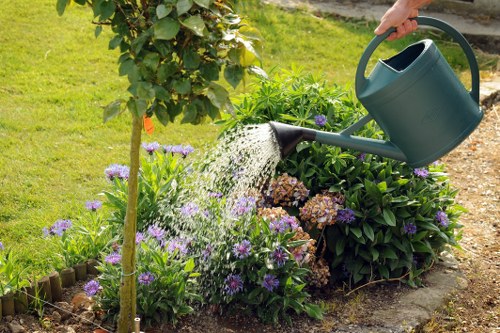
Material choice has a big influence on how a landscaped garden looks and how well it performs over time. In Crouch End, where many gardens are framed by neighbouring properties and mature surroundings, finishes often need to strike a balance between style and practicality. Natural stone, brick detailing, quality porcelain paving, timber features, gravel, and well-chosen planting can all work well when used with care and proportion.
The best material is not always the most expensive or the most decorative. It is the one that suits the use of the space, the existing property, and the level of upkeep you are comfortable with. A family garden may benefit from hard-wearing surfaces and easy-clean finishes, while a calmer ornamental space might use softer planting, organic shapes, and more textured materials. If the garden receives limited sunlight, plant selection becomes particularly important, and if the ground is heavy or prone to holding water, drainage-aware choices should be considered from the outset.
Soft landscaping also plays a huge role in the final appearance. Trees, shrubs, climbers, and perennials can soften boundaries, add seasonal interest, attract wildlife, and make even a compact garden feel layered and established. A good planting plan will not overcrowd the space. Instead, it creates rhythm, balance, and movement, while keeping maintenance realistic for the homeowner or property manager.
Factors that help choose the right finish
- How much sunlight the garden gets during the day
- Whether the space is mainly for family use, entertaining, or quiet relaxation
- How much maintenance you want to take on
- The age and style of the property
- Drainage and soil conditions
- Access for materials, tools, and waste removal
Why local knowledge matters for garden landscaping in Crouch End
Hiring a local company brings more than convenience. It means working with people who understand the patterns, constraints, and expectations that come with landscaping in a dense North London neighbourhood. Local teams are more likely to be familiar with narrow access routes, parking limitations, shared boundaries, and the care needed when working close to neighbouring homes. That can make the whole job feel more controlled and less disruptive.
Local familiarity also helps with design decisions. Crouch End gardens often need solutions that suit mature planting, privacy concerns, and the way light moves between buildings. A company that regularly works nearby is usually better placed to recommend layouts and materials that feel at home in the area. This is especially useful when you want something practical that still has character and doesn’t look out of place beside the surrounding properties.
Another important benefit is accountability. When a team works regularly in the local area, it is easier to maintain clear communication and schedule visits efficiently. Customers value this because landscaping often involves several steps, and it helps to have a team that can respond quickly, plan around access issues, and keep the project moving. Contact us today if you want to discuss a garden project with a team that understands local conditions.
Garden landscaping ideas for different property types
Crouch End has a broad mix of homes, and the right landscaping approach can vary significantly depending on the type of property. A narrow rear garden might benefit from long visual lines, stepped planting, or a split layout that creates separate uses without making the space feel cramped. A wider family garden may allow for a lawn, seating area, and planting borders all working together. A small courtyard can become surprisingly effective with clean paving, raised planters, and well-considered screening.
For period homes, many owners want a design that feels sympathetic to the age and style of the property. That may mean using traditional materials, softer edges, and more established planting. For modern homes or extensions, the focus may shift toward crisp lines, simpler planting, and a more contemporary feel. The key is not to follow a trend blindly, but to make the outdoor area feel like a natural part of the property.
Where the garden is part of a shared building, low-maintenance choices often make sense. Residents and property managers usually want surfaces that stay neat, planting that remains manageable, and layouts that can be kept tidy with less effort. In all cases, the best design is one that fits the day-to-day needs of the people using it, not just the initial idea on paper.
Ideas that often work well
- Built-in seating to save space and define the layout
- Raised planters for easy maintenance and stronger visual structure
- Curved or stepped paths to make narrow gardens feel more inviting
- Mixed-height planting for privacy and seasonal interest
- Gravel or planted borders to reduce the amount of hard surface
- Lighting features that make the garden usable into the evening
How to prepare for a landscaping project
Good preparation helps a project run smoothly and can make the early stages much easier. Before work begins, it is useful to think about how you want to use the garden, which parts are most important to you, and whether there are any practical issues that need to be addressed first. A little planning at the start can save time later and help the finished result feel more considered.
If you are comparing options, it helps to gather a few details about your garden. Measurements are useful, but so are photographs, notes about drainage problems, and any ideas you already have about materials or planting. If there are access limitations, shared gates, pets, or delicate internal routes through the property, these are worth mentioning early so they can be taken into account when planning the work.
Homeowners often ask what they should do before a landscaping team arrives. The answer depends on the scale of the work, but it is usually a good idea to clear personal items, garden furniture, and moveable decorations from the work area where possible. If anything is staying in place, it should be identified clearly. Book your service now once you are ready to move from ideas to a practical plan.
Preparation checklist
- Think about how you want the garden to be used
- List any must-haves and nice-to-haves
- Take note of shaded, wet, or awkward areas
- Clear small items, pots, and furniture if possible
- Tell the team about access, parking, and neighbour considerations
- Keep pets and children away from the work zone during active stages
Pricing factors for garden landscaping
Every landscaping project is different, so pricing is usually shaped by several practical factors rather than by a single simple measure. The size of the area is one of the most obvious considerations, but the condition of the existing garden matters just as much. A space that needs full clearance, excavation, or significant levelling will take more time and preparation than one that is already broadly sound.
Material choices also affect cost. Natural stone, quality paving, timber features, bespoke built elements, and more detailed planting schemes can all vary in price depending on the finish selected and the amount of work involved. Access is another important factor in Crouch End, where limited vehicle access or narrow side passages can increase the effort needed to move materials and waste safely. This is one reason a local site visit is so helpful before work is confirmed.
It is also worth considering long-term value. A lower-maintenance design may cost more initially but save time and effort later. A better-thought-out layout can reduce future changes and make the garden easier to enjoy. When comparing options, it is sensible to ask what is included, what preparation is required, and how the design supports your goals over time. Request a free quote to talk through the options in a practical way.
What makes a good local landscaping company
When choosing a team for garden landscaping in Crouch End, customers usually want more than just the ability to install paving or planting. They want clear communication, reliable scheduling, and advice that makes sense for the property. A good local company should listen carefully, explain options clearly, and keep the focus on what will genuinely work for your garden rather than pushing a one-size-fits-all approach.
It also helps when the team can handle both the creative and practical sides of the job. Landscaping is not only about making things look good; it is also about preparing the ground properly, managing drainage, setting levels, and ensuring structures are built with care. Attention to detail matters because problems hidden under the surface can affect the finished look and performance later on.
Clients often value a company that can work cleanly and respectfully around neighbouring homes. This includes protecting surfaces, limiting disruption, managing waste responsibly, and keeping the site organised. For many residents, especially on busy or tightly parked streets, that practical professionalism is just as important as the visual result.
Areas covered near Crouch End
Many garden projects in Crouch End naturally overlap with nearby parts of North London. Depending on the size and nature of the job, local landscaping services often extend to neighbouring residential streets and surrounding districts where similar property types and access conditions are common. This can be helpful if your home sits near the border of the area or if you manage properties across nearby locations.
Nearby places that may commonly be included in local work patterns can include Hornsey, Highgate, Muswell Hill, Stroud Green, Archway, Finsbury Park, and Wood Green. These areas share a mix of terraces, family homes, conversions, and small commercial properties, so the same practical landscaping principles often apply. If your garden is just outside the immediate area, it is still worth asking whether the project can be covered.
Because local conditions vary from street to street, discussing your exact location and access needs early makes the whole process easier. A local team can usually advise whether the project is suitable, what preparation may be needed, and how best to approach the work efficiently.
Frequently asked questions
How long does garden landscaping usually take?
The timescale depends on the size of the garden, the amount of preparation required, and the type of features being installed. Simple improvements may take only a short period, while full redesigns with paving, drainage, and planting can take longer. It is best to discuss the scope in advance so the work can be planned realistically.
Can you help with both design and installation?
Many customers want a service that covers both planning and practical work. That can include layout ideas, material suggestions, and the full build process. If you already have a clear vision, the work can usually be shaped around that too. The most important thing is that the final result suits your property and how you want to use it.
What if my garden has poor drainage or uneven ground?
These are common issues in local gardens and can usually be addressed as part of the landscaping process. The approach may involve levelling, improved drainage planning, or choosing surfaces and planting that cope better with the site conditions. It is helpful to mention these problems at the start so they can be factored into the plan.
Do you work on small gardens as well as larger ones?
Yes. Small gardens often benefit the most from careful landscaping because every part of the space needs to work hard. A compact courtyard, narrow strip, or small back garden can still feel generous and attractive when the layout is planned well.
Can landscaping help make a garden easier to maintain?
Absolutely. Many customers ask for lower-maintenance planting, simpler shapes, durable surfaces, and layouts that reduce awkward corners. The right decisions at the start can make ongoing care much easier without making the garden feel plain or uninviting.
Ready to improve your outdoor space?
If your garden is underused, hard to keep tidy, or simply no longer suits your home, now is a good time to explore what is possible. Garden landscaping in Crouch End can transform the way you use your outdoor space, whether you want a stylish place to entertain, a practical family garden, or a low-maintenance area that still feels thoughtful and well designed. A local service brings the benefit of practical knowledge, careful planning, and a better understanding of the homes and access conditions found in the area.
From the first ideas through to the final planting and finishing touches, the right approach can help your garden feel more spacious, more useful, and more connected to the property. If you are considering a refresh, a redesign, or a larger outdoor project, contact us today to discuss your requirements and request a free quote.
Choose a local landscaping team that understands Crouch End gardens, local access challenges, and the need for a practical result that looks good throughout the year.